Work Life in Transition – When the Kids Grow Up and Everyday Life Takes a New Shape


Work Life in Transition – When the Kids Grow Up and Everyday Life Takes a New Shape
When the kids grow up, everyday life changes—at home and at work. The years of carpools, packed lunches, and bedtime routines slowly give way to a new phase where children become more independent, and parents regain time and freedom. But with that freedom come new questions: How do you use the time that suddenly opens up? How do you find balance between work, family, and your own needs when family roles shift?
For many, this transition is an opportunity to rethink their work life—and to create a daily rhythm that fits this new stage.
When the Pace of Life Changes
As children become more self-sufficient, the family rhythm changes. There are fewer hands-on tasks but often more coordination, conversations, and emotional support. Many parents find themselves with more flexibility in their schedules—but also the need to redefine structure.
For some, this means taking on new challenges at work. For others, it’s a time to slow down and create more space for rest and reflection. The key is to recognize that this change offers a chance to adjust—not just continue on autopilot.
Time for Reflection – What Do You Want from Your Work Life?
When your children no longer need you in the same way, it can be a good moment to pause and ask yourself: Am I where I want to be professionally? For years, many parents have prioritized stability and flexibility to make family life work. Now, there may be room to think more long-term.
Consider questions like:
- What gives me energy at work—and what drains me?
- Are there skills I’d like to develop?
- Could I imagine a career shift or a new direction?
- What do I want my work life to look like over the next decade?
It’s not necessarily about changing jobs, but about consciously shaping how your work fits into this stage of life.
Flexibility and Balance – New Opportunities
In the U.S., many workplaces now offer more flexibility than ever before—remote work, hybrid schedules, or opportunities for continuing education. When your children no longer require the same level of attention, you can use that flexibility to design a routine that fits your own rhythms.
Some people choose to take on more projects or leadership roles, while others use the freedom to travel, volunteer, or pursue hobbies. The important thing is to find a balance where work remains meaningful but doesn’t consume everything.
Læs også:




Partnership and Shared Adjustments
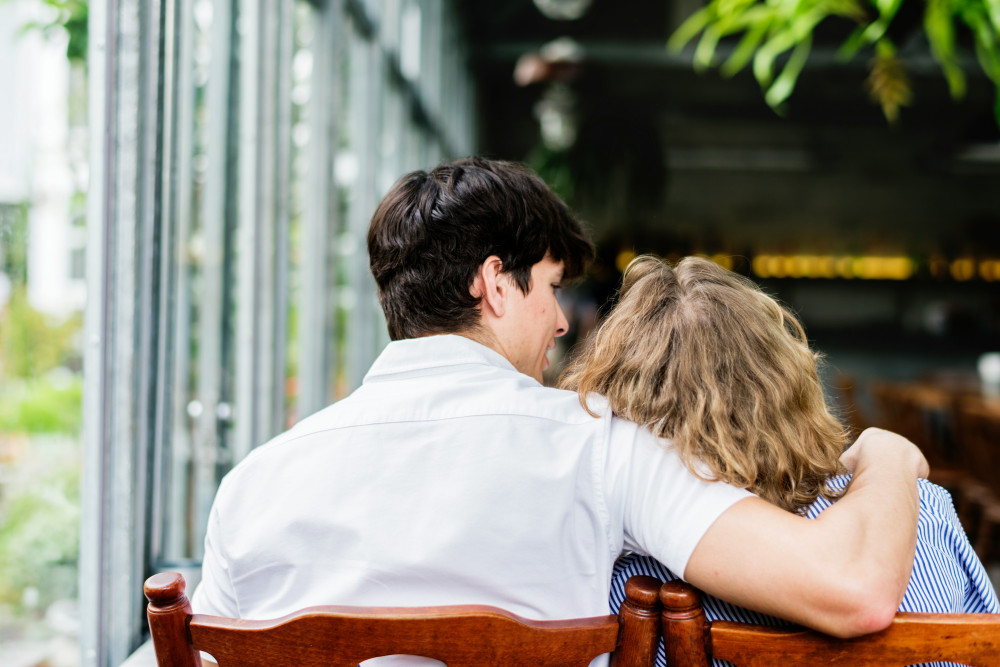
As family life changes, so does the dynamic between partners. There’s more time to talk about the future—including career goals. Maybe one partner has been the more flexible one for years, and now it’s time to rebalance.
It can be helpful to have an open conversation about how each of you wants to use this new freedom. Should one of you take a career leap while the other enjoys more downtime? Or should you both slow down a bit and spend more time together? Honest discussions about expectations and dreams can prevent misunderstandings and strengthen your shared direction.
When Work No Longer Feels Right
For some, this stage of life also brings the realization that their job no longer feels fulfilling. Maybe you’ve been in the same field for decades, and motivation has faded. Considering a change midlife can be daunting—but it can also be revitalizing.
Many people in this situation explore new paths: going back to school, starting a small business, or finding work with greater social or personal meaning. It takes courage, but also realism—researching options, talking to others who’ve made similar changes, and taking small, deliberate steps.
A New Phase – With Room for Both Work and Life
When the kids grow up, a new space opens up—a time to rediscover what truly matters to you, both professionally and personally. It’s not necessarily about working more or less, but about working in a way that feels purposeful.
Adjusting your work life as your personal life evolves isn’t a sign of uncertainty—it’s a sign of awareness. It’s a way to take responsibility for your own well-being and to shape the everyday life you want to live in the years ahead.
Læs også: