Creative Walks: Discover Nature’s Colors and Shapes with Fresh Eyes


Creative Walks: Discover Nature’s Colors and Shapes with Fresh Eyes
A walk in nature can be much more than exercise or fresh air. When you walk with a creative mindset, the landscape opens up in new ways—colors, shapes, and patterns come alive, and you notice details you might otherwise overlook. Creative walks are about engaging your senses, letting your thoughts flow, and finding inspiration in what surrounds you. Here are some ideas for how to experience nature with fresh eyes.
Walk with Your Senses Awake
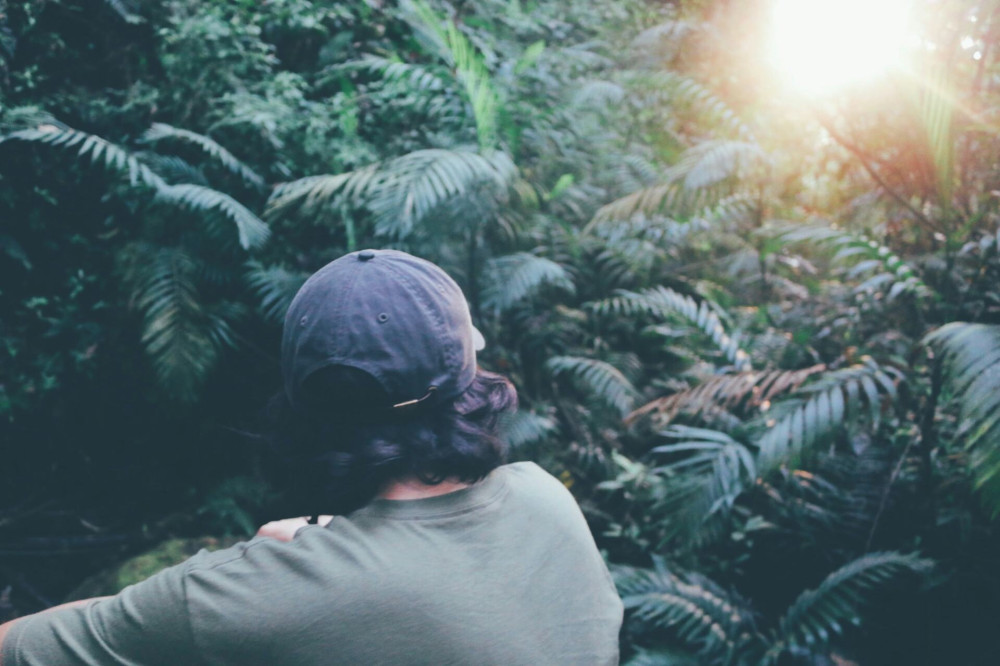
The first step toward a creative walk is slowing down. Instead of focusing on distance or pace, pay attention to how your surroundings feel. What colors dominate right now? How does the light shift as you move through a forest, along a beach, or across a city park? What sounds can you hear—birds, wind, water, or the hum of distant traffic?
Try to use all your senses: feel the breeze on your skin, smell the earth after rain, and listen to the rhythm of your footsteps. When you’re fully present, nature becomes a living canvas, constantly changing and full of subtle surprises.
Læs også:



Find Patterns and Shapes in the Natural World
Nature is full of repetition and variation—spirals in seashells, symmetry in leaves, and irregular lines in bark and stone. On a creative walk, you can make it a game to spot these patterns and shapes. Take photos, make quick sketches, or simply store the images in your mind as inspiration for later.
If you work in art, design, or crafts, your walk can serve as a kind of field study. But even if you’re not creating something tangible, observing nature’s geometry can bring calm and renewed energy.
Use Nature as a Creative Studio
A creative walk can also be an active process of making. Bring a small notebook or camera and document what you see. You might jot down short descriptions, note color combinations, or photograph textures that catch your eye.
Some people like to gather small natural materials—leaves, stones, twigs—and use them to create temporary art pieces outdoors. This kind of “land art” becomes part of the landscape again, blending creativity with the natural cycle. It’s not about the final product, but about the process and presence.
The Walk as a Mental Reset
Creative walks aren’t just for artists. They can be a way to give your mind a break—a space where thoughts can wander freely. Many people find that their best ideas come while walking without a fixed goal. The body moves rhythmically, and the mind opens up.
If you feel stuck on a project or short on inspiration, try taking a short walk without music or your phone. Just walk, observe, and let your thoughts find their own path. You’ll often return with a clearer perspective and fresh energy.
Make It a Habit
Like any practice, creative walking takes a bit of intention. Start with short walks in your neighborhood, and vary your routes to experience different sights and moods. You can even give each walk a theme—“shades of green,” “shapes in shadows,” or “the sound of water.”
Over time, you’ll notice that you begin to see the world differently—not just on your walks, but in everyday life. The colors of buildings, the patterns in clothing, or the light through a window might suddenly spark the same curiosity as a forest trail.
A New Way to Be in Nature
At its heart, a creative walk is about being present and open to inspiration. It’s a simple way to connect with your surroundings—without pressure, without goals. You don’t need to produce anything to benefit from it. The key is giving yourself time to see, listen, and feel.
When you walk with open senses, even the most familiar path becomes new. Nature reveals details you’ve never noticed before—and you may discover that creativity isn’t confined to a studio, but lives in every step you take.
Læs også: