Women in management: how to step into the leadership role
Explore the unique challenges and opportunities women face in leadership. The e-book shares the experiences of established women in leadership positions that provide inspiring advice for navigating the business world.
Get the guide

Do You Eat Out of Habit or Emotion? Learn to Understand Your Food Cravings

Discover what truly drives your cravings and how to regain control of your eating habits
Diet
Diet
2 min
Do you find yourself snacking when you’re not really hungry? Learn to tell the difference between physical hunger, emotional eating, and habitual behavior. This guide helps you understand your cravings and develop a more mindful, balanced relationship with food.
Blake Scott
Blake
Scott

Do You Eat Out of Habit or Emotion? Learn to Understand Your Food Cravings

Discover what truly drives your cravings and how to regain control of your eating habits
Diet
Diet
2 min
Do you find yourself snacking when you’re not really hungry? Learn to tell the difference between physical hunger, emotional eating, and habitual behavior. This guide helps you understand your cravings and develop a more mindful, balanced relationship with food.
Blake Scott
Blake
Scott

Most of us have been there: reaching for a cookie, a bag of chips, or a second helping of dinner—not because we’re hungry, but because we want it. Maybe we’re tired, bored, or stressed. Food can bring comfort, calm, and joy, but when eating is driven by emotions or routine rather than true hunger, it can throw our body and mind out of balance. Here’s how to understand your cravings—and how to manage them more mindfully.

The Difference Between Physical and Emotional Hunger

Physical hunger builds gradually and shows up in your body—your stomach growls, your energy dips, or it’s hard to focus. Almost any food can satisfy it, and once you’ve eaten, you feel full and content.

Emotional hunger, on the other hand, comes on suddenly and often targets specific foods—usually something sweet, salty, or rich. It’s not about your body’s needs but your emotions. Maybe you’ve had a rough day, feel lonely, or just need a break. Food becomes a quick fix for an emotional need.

Recognizing the difference between the two is the first step toward understanding your cravings.

When Habits Drive Eating

Many eating habits are automatic. Maybe you always grab a snack while watching TV, have dessert after dinner, or munch on something just because it’s there. These habits aren’t necessarily bad, but they can lead to mindless eating.

Start by noticing your routines: When do you eat, and why? Is it because you’re hungry—or because it’s what you “always do”? Becoming aware of your patterns helps you change them. You might replace a habit with something that brings the same comfort or pleasure—like a cup of tea, a short walk, or a few deep breaths.

The Emotions That Trigger Eating

Food and emotions are deeply connected. We celebrate with food, comfort ourselves with food, and tie many memories to taste and smell. But when emotions become the main reason we eat, it can create a cycle that’s hard to break.

Some of the most common emotional triggers include:

  • Stress: The body releases hormones that increase cravings for quick energy—often sugar and fat.
  • Boredom: Eating becomes a way to fill time or create stimulation.
  • Sadness or loneliness: Food can offer temporary comfort and a sense of security.
  • Joy and reward: “I deserve this” is a familiar thought—but it can lead to overeating.

Identifying which emotions trigger your cravings makes it easier to find other ways to cope.

Strategies to Manage Cravings

When a craving hits, it can feel impossible to resist. But there are ways to take back control—without depriving yourself of the foods you love.

  1. Pause and check in. Ask yourself, “Am I physically hungry, or is something else going on?”
  2. Wait five minutes. Cravings often fade if you give them a little time.
  3. Find alternatives. If you eat out of boredom, do something else that brings you joy—call a friend, take a walk, or listen to music.
  4. Eat mindfully. When you do eat, be present. Enjoy the taste, chew slowly, and notice when you feel satisfied.
  5. Avoid strict rules. The more you forbid certain foods, the stronger the cravings become. Allow yourself to enjoy treats—just do it consciously.

Building a Healthy Relationship with Food

Understanding your cravings isn’t about strict control—it’s about balance. Food should provide energy, pleasure, and connection, not guilt. When you learn to listen to your body and emotions, you can eat in a way that supports both your physical and mental well-being.

Changing habits takes time, but small steps make a big difference. Start by observing when and why you eat, and be kind to yourself along the way. Awareness is the key to change—and to a more relaxed, healthy relationship with food.

Do You Eat Out of Habit or Emotion? Learn to Understand Your Food Cravings
Discover what truly drives your cravings and how to regain control of your eating habits
Diet
Diet
Mindful Eating
Emotional Health
Nutrition
Healthy Habits
Wellness
2 min
Do you find yourself snacking when you’re not really hungry? Learn to tell the difference between physical hunger, emotional eating, and habitual behavior. This guide helps you understand your cravings and develop a more mindful, balanced relationship with food.
Blake Scott
Blake
Scott
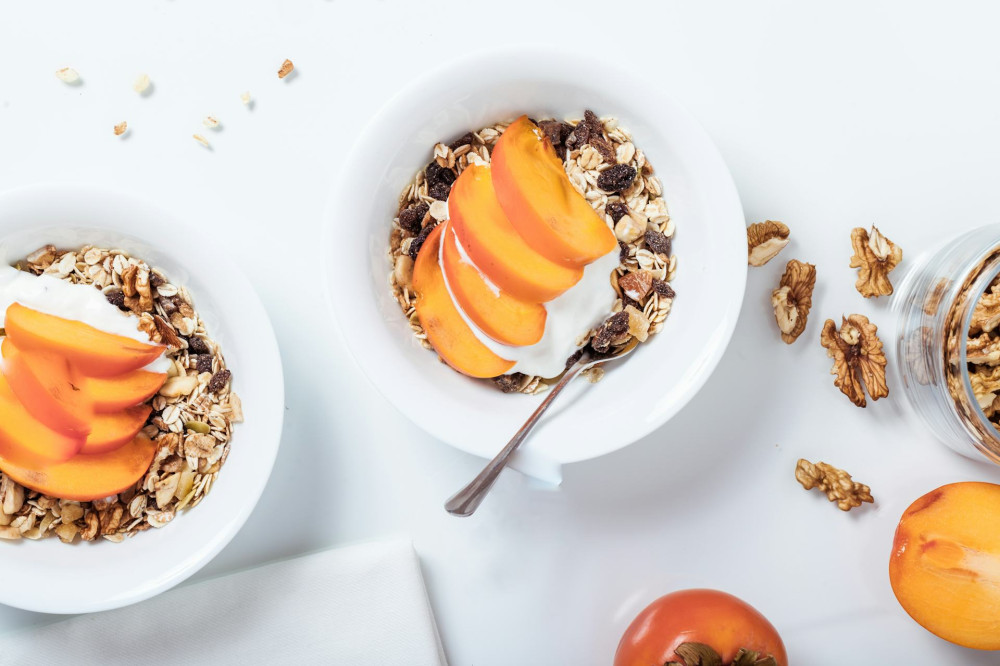
Breakfast in Many Ways – Get Creative with Your Pantry Staples
Discover new breakfast ideas using the ingredients you already have at home
Diet
Diet
Breakfast
Cooking Inspiration
Pantry Staples
Easy Recipes
Healthy Eating
4 min
Tired of the same morning routine? Learn how to transform everyday pantry staples into creative, tasty, and nourishing breakfasts. From oats and eggs to bread and yogurt, this guide helps you make the most of what’s in your kitchen.
Evan Smith
Evan
Smith
Flexible Meal Planning: How to Make Room for Leftovers, Plans, and Changes
Discover how a flexible approach to meal planning can save time, reduce waste, and make everyday cooking easier.
Diet
Diet
Meal Planning
Cooking Tips
Food Waste
Healthy Eating
Lifestyle
6 min
Learn how to create a meal plan that adapts to your lifestyle. With simple strategies for using leftovers, adjusting to changing plans, and keeping variety in your meals, you can enjoy both structure and freedom in the kitchen.
Journey Green
Journey
Green
How Much Should You Drink? Listen to Your Body Instead of the Numbers
Discover why hydration isn’t one-size-fits-all and how to tune in to your body’s real needs
Diet
Diet
Hydration
Health
Wellness
Nutrition
Lifestyle
2 min
Forget the old “eight glasses a day” rule. This article explores how your body naturally signals when it needs more fluids, why hydration needs differ from person to person, and how to find the right balance for your lifestyle.
Elias Bell
Elias
Bell
Find Your Lunch Style – Flavor, Balance, and Energy for Your Everyday Life
Discover how to make every lunch both delicious and energizing
Diet
Diet
Healthy Eating
Nutrition
Lifestyle
Meal Planning
Wellness
3 min
Turn your midday meal into a moment of balance and enjoyment. Learn how to match your lunch to your daily rhythm, combine flavor with nutrition, and find the style that keeps you satisfied and focused all afternoon.
Riley Hall
Riley
Hall
Work Life in Transition – When the Kids Grow Up and Everyday Life Takes a New Shape
Discover how changing family dynamics can open new possibilities for your work life and personal growth
She
She
Work Life Balance
Parenthood
Life Transitions
Career Development
Personal Growth
7 min
When children become more independent, everyday routines shift—and so do priorities. This article explores how parents can navigate the transition, find new balance between work and life, and make the most of the freedom that comes with an emptying nest.
Blake Scott
Blake
Scott
Hormonal Changes: Understanding Your Body Through Life’s Stages
Discover how hormonal shifts shape your body and mind through every stage of life
She
She
Hormones
Health
Wellness
Life Stages
Body Awareness
2 min
From puberty to menopause and beyond, your hormones guide essential changes in your body and emotions. Learn what happens during each stage, why it matters, and how understanding these natural transitions can help you support your well-being.
Evan Smith
Evan
Smith
From Pioneers to the Present: The Earliest Women’s Movements and Their Legacy
How the first women’s movements shaped the path toward equality and continue to inspire change today
She
She
Women’s Rights
History
Equality
Feminism
Social Change
4 min
Discover the origins of the earliest women’s movements and the remarkable individuals who challenged the limits of their time. From the struggle for education and suffrage to the ongoing pursuit of equality, their legacy continues to influence modern society.
Journey Green
Journey
Green
Women on the Move – How Local Initiatives Become Political Influence for Women
How community-driven women’s initiatives are transforming local action into national influence
She
She
Women Empowerment
Local Politics
Grassroots Movements
Leadership
Social Change
5 min
Across the country, women are turning neighborhood projects and grassroots networks into powerful platforms for political change. This article explores how local engagement, collaboration, and persistence are shaping a new generation of female leadership and redefining the path from community action to policy impact.
Elias Bell
Elias
Bell
Economic Independence as the Foundation for Women’s Empowerment
Financial independence opens the door to equality, confidence, and lasting empowerment for women.
She
She
Women’s Empowerment
Economic Independence
Gender Equality
Financial Literacy
Social Change
4 min
Discover how economic independence forms the cornerstone of women’s empowerment. This article explores the link between financial freedom, equal opportunities, and a stronger society built on women’s ability to make their own choices.
Riley Hall
Riley
Hall
First Date Without Awkward Silence – The Art of Listening and Sharing in Balance
Turn your first date into a natural, flowing conversation
Dating
Dating
Dating Tips
Communication
Relationships
First Impressions
Social Skills
6 min
Discover how to avoid awkward pauses and create a genuine connection on your first date. Learn the art of balancing listening and sharing so both of you feel comfortable, engaged, and truly seen.
Blake Scott
Blake
Scott
When Love Matures: How to Support Each Other Through Life’s Stages
Discover how love evolves and how to stay connected through every chapter of life
Dating
Dating
Relationships
Love
Marriage
Personal Growth
Emotional Wellbeing
5 min
Love changes as we do. From the excitement of new beginnings to the comfort of long-term companionship, each stage brings its own joys and challenges. Learn how to nurture understanding, patience, and growth together as your relationship matures.
Evan Smith
Evan
Smith