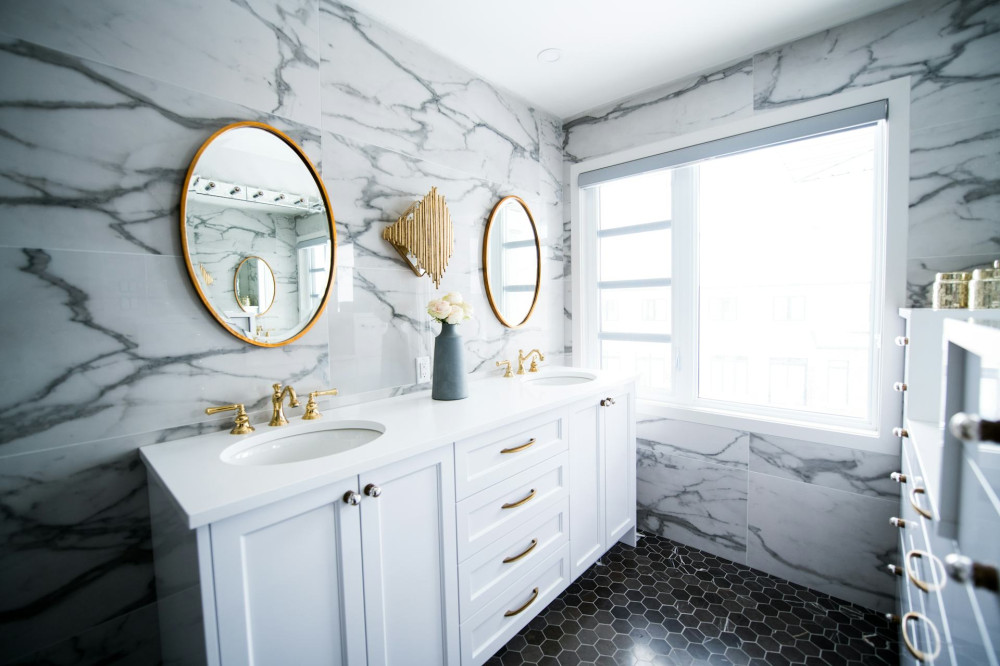
The Healing Power of Home: Interior Design That Creates Calm and Enhances Well-Being


The Healing Power of Home: Interior Design That Creates Calm and Enhances Well-Being
Home is more than a place to live – it’s the backdrop of our lives, our moments of rest, and our space to recharge. In a world where many Americans juggle busy schedules, digital overload, and constant demands, the way we design our homes can have a profound impact on how we feel. A calm, balanced home can serve as a sanctuary from the noise of everyday life, helping us find peace and well-being. But how do we create a home that not only looks beautiful but also feels restorative?
Calm Begins with the Flow of the Room
When you walk into a room, you can sense its energy immediately. Is it peaceful or chaotic? A space cluttered with too many objects, harsh contrasts, or poor lighting can create subtle stress. Healing design begins with balance.
Start by decluttering. Fewer items don’t mean a sterile home – they make room for what truly matters. Keep objects that bring you joy or hold meaning, and let go of what simply takes up space. When your surroundings are intentional, your mind can rest more easily.
Colors That Soothe the Mind
Color has a powerful influence on mood. Soft, natural tones like sand, sage, gray, and sky blue evoke calm and stability. They remind us of nature and help ground us in a sense of comfort.
If you crave warmth or energy, add touches of terracotta, muted gold, or blush – but use them thoughtfully. The key is balance between serenity and vibrancy. A good approach is to keep walls and large surfaces neutral, then layer in color through textiles, art, or plants that can be easily changed with the seasons.
Light as a Source of Life
Light is one of the most important elements for well-being. Natural light regulates our circadian rhythm, boosts mood, and increases energy. Keep windows clear of heavy drapes, and use mirrors to reflect sunlight deeper into your space.
In the evening, shift to soft, warm lighting. Layer your light sources – ceiling, wall, and table lamps – to create depth and atmosphere. Avoid harsh, cool-toned bulbs that can feel clinical. Instead, choose warm, dimmable light that invites relaxation and connection.
Bringing Nature Indoors
Bringing nature inside is one of the simplest ways to enhance calm and well-being. Houseplants purify the air, reduce noise, and add life to a room. Even a few green touches can transform the mood of a space.
Natural materials like wood, wool, clay, and stone add texture and warmth. They age gracefully and remind us of the natural world’s rhythm. Choose furniture and textiles made from sustainable, tactile materials – they feel better to the touch and align with a mindful lifestyle.
Spaces for Pause and Reflection
A healing home isn’t just about aesthetics – it’s about creating spaces that support rest and reflection. Where in your home can you retreat for a moment of quiet? It might be a cozy chair by the window, a reading nook with soft blankets, or a small desk for journaling.
Design small zones that invite you to slow down: a spot for morning coffee, a corner for meditation, or a place to simply breathe. When your home supports your pauses, it becomes easier to find balance in daily life.
Læs også:




Engaging the Senses
Our senses shape how we experience a space. A gentle scent of lavender, cedar, or citrus can calm the mind, while soft music or nature sounds can ease mental tension.
Avoid constant background noise from TVs or devices – silence itself can be deeply restorative. Use rugs, curtains, and cushions to soften acoustics, and choose materials that feel pleasant against the skin. Sensory design is about creating an environment where the body can relax and the mind can follow.
A Home That Reflects You
The most healing interiors are personal. It’s not about following trends but about creating a space that reflects who you are and what you need. A home that feels authentic allows you to be yourself without pressure or performance.
When you design with intention, your home becomes more than a place to live – it becomes a source of energy, calm, and strength that helps you meet the world outside with greater ease.
Læs også: