Training Through Life’s Stages: How Women Can Adapt Their Workouts for College Years, Motherhood, and Menopause

Training Through Life’s Stages: How Women Can Adapt Their Workouts for College Years, Motherhood, and Menopause
A woman’s body and lifestyle evolve through the decades, and so should her approach to fitness. The workouts that feel right in one stage of life may not fit the next. From the freedom of college to the demands of motherhood and the hormonal shifts of menopause, each phase calls for its own rhythm and priorities. Here’s how women can adapt their training to stay strong, balanced, and energized through every chapter.
College Years – Building Habits and Finding Joy in Movement
College life often brings newfound independence, but also irregular schedules, late nights, and academic pressure. It’s easy for workouts to slip down the priority list. Yet this is the perfect time to build habits that can last a lifetime.
- Create consistency: Schedule workouts like classes or study sessions. Even two or three planned sessions a week can make a difference.
- Choose what you enjoy: Whether it’s running, lifting, dance, or intramural sports, the best workout is the one you’ll actually do.
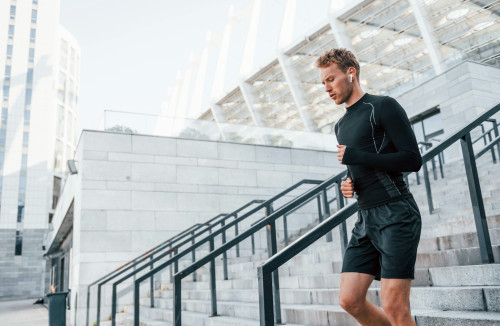
- Move throughout the day: Walk or bike to campus, take the stairs, or meet friends for a hike instead of coffee.
Exercise during these years isn’t just about fitness—it’s a powerful tool for managing stress, improving focus, and boosting mood. Finding joy in movement now can set the tone for a lifelong relationship with exercise.
Motherhood – Flexibility, Realism, and Strength from Within
When children enter the picture, time and energy become precious commodities. Between sleepless nights, work, and family responsibilities, long gym sessions may feel impossible. But even short bursts of movement can have a big impact.
- Think small but consistent: Ten to twenty minutes of home workouts—bodyweight strength, yoga, or stroller walks—can keep you strong and centered.
- Include your kids: Turn playtime into movement—dance parties, backyard games, or family bike rides all count.
- Be gentle with yourself: Postpartum recovery takes time. Focus on rebuilding core and pelvic floor strength before ramping up intensity.
This stage is about sustainability, not perfection. Exercise can be a form of self-care that restores energy and confidence. Listening to your body and celebrating small wins can make fitness feel achievable, even in the busiest seasons.
Læs også:
Menopause – Strength, Balance, and Renewed Purpose
Menopause brings hormonal changes that can affect muscle mass, bone density, and metabolism. Many women also experience sleep disruptions, mood shifts, and changes in body composition. The right training can help counter these effects and support overall well-being.
- Prioritize strength training: Lifting weights or doing resistance exercises helps maintain muscle and bone health, which become more vulnerable as estrogen levels drop.
- Add cardio for heart health: Walking, swimming, or cycling supports cardiovascular fitness and helps manage weight.
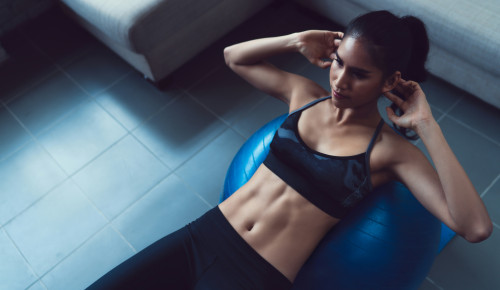
- Focus on recovery and mindfulness: Yoga, Pilates, and stretching can ease stress, improve flexibility, and enhance sleep quality.
Menopause can also be a time to redefine your goals. Instead of chasing performance metrics, many women find fulfillment in training for vitality, confidence, and longevity. It’s a chance to reconnect with your body in a new, empowering way.
Fitness as a Lifelong Companion
Across all stages, the key is adaptability. Your workouts don’t have to look the same year after year—they just need to serve your current needs and bring you joy. Some seasons call for structure and challenge; others for gentleness and grace.
When you view exercise as a lifelong companion—one that evolves with you rather than against you—you create a sustainable path to health and happiness. Your body will change, but the strength, confidence, and peace you gain from movement can stay with you for life.
Læs også: